
Superfoods 101: What Makes a Food a "Superfood"?
"Superfood" isn't a regulated term, which means it gets used loosely. Here is what it actually tends to mean in practice.
There's No Official Definition
"Superfood" isn't a scientific or regulatory term — it's a popular label applied to foods that deliver an unusually high concentration of nutrients or beneficial plant compounds relative to their calorie content.
What Commonly Qualifies
Foods like spirulina, moringa, and sea buckthorn earn the label because a small serving delivers a disproportionately large amount of vitamins, minerals, protein, or antioxidants compared to typical foods of similar volume.
Why Seeds Often Get Included Too
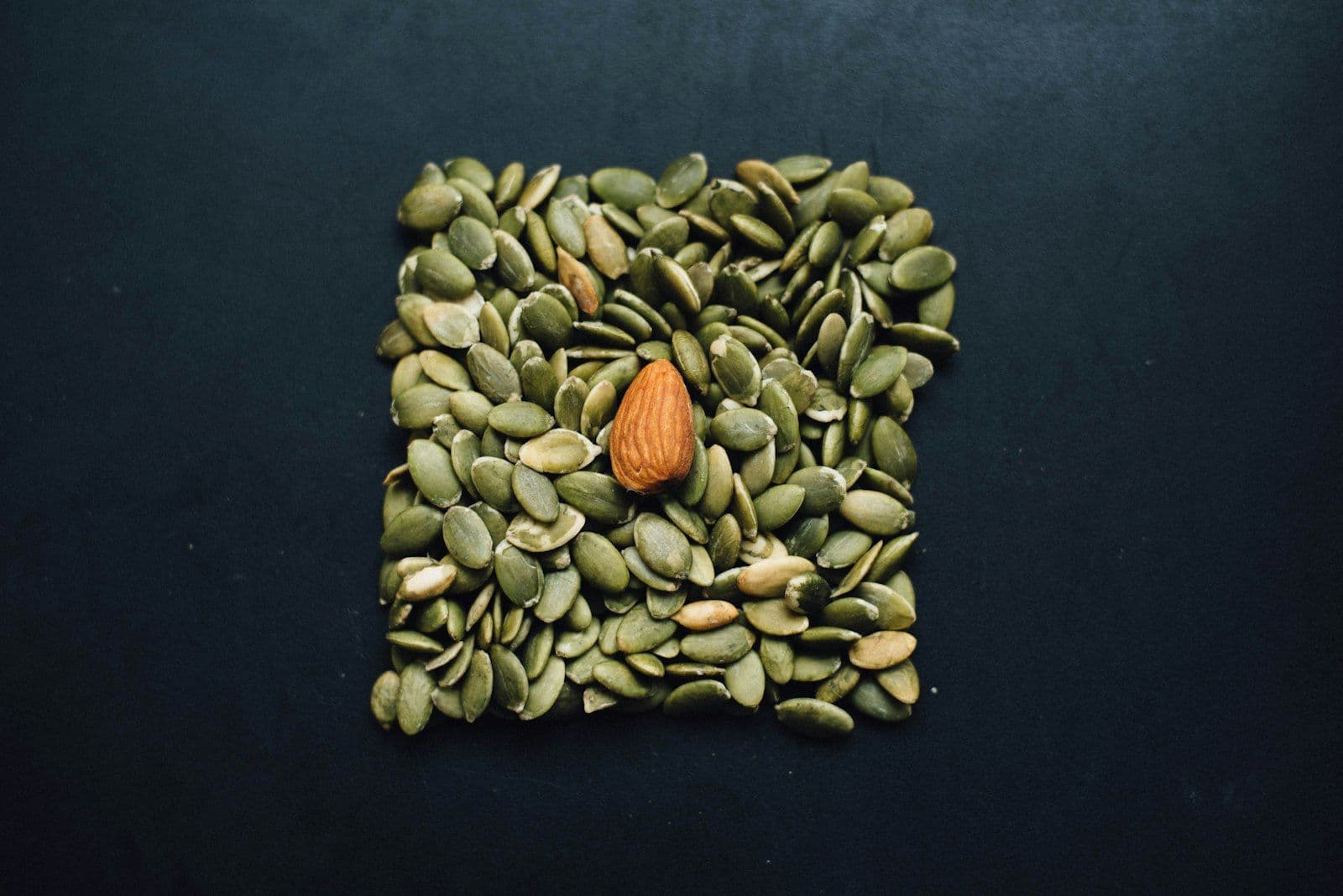
Seeds like chia, flax, pumpkin, and sunflower are frequently grouped under the same umbrella, since they pack meaningful fiber, healthy fats, and minerals into a small daily serving.
A Healthy Dose of Skepticism
No single food, however nutrient-dense, replaces the need for a varied overall diet — "superfood" marketing sometimes implies a single ingredient can offset an otherwise poor diet, which isn't realistic.
A Practical Takeaway
Rather than chasing the latest superfood trend, a more useful approach is building a rotation of a handful of genuinely nutrient-dense foods — spirulina, moringa, a couple of seed varieties — into your regular routine, consistently, rather than treating any one of them as a silver bullet.
Ready to try our premium spirulina?
Experience the benefits of nature's ultimate superfood with our high-quality spirulina products.