
Organic vs Conventional Seeds: Does It Really Matter?
Organic labeling adds cost — is it actually worth it for something like seeds? Here is an honest look.
What "Organic" Actually Certifies
Organic certification means a crop was grown without synthetic pesticides or fertilizers, following specific soil and farming standards — it's a certification about growing method, not automatically a claim about nutritional superiority.
Where Organic Matters Most for Seeds
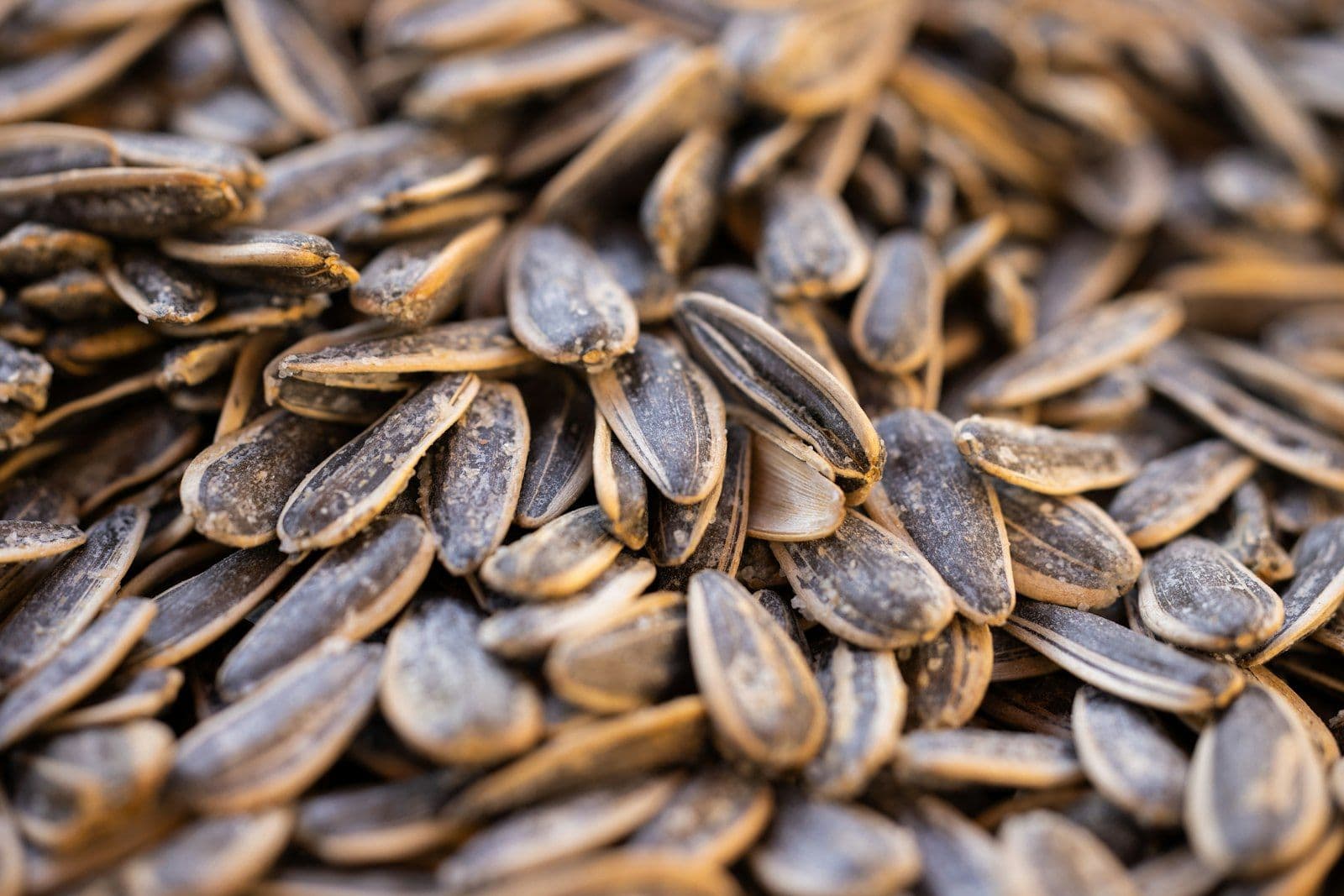
Seeds like pumpkin, chia, flax, watermelon, and sunflower are eaten whole and often in their rawest form, with minimal processing between farm and your plate — which means whatever was used during growing has less opportunity to be washed away or processed out compared to, say, a cooked vegetable.
Reduced Pesticide Exposure
Choosing organically grown seeds reduces exposure to synthetic pesticide residue, which is a reasonable consideration for foods eaten frequently and in a relatively unprocessed state.
Does It Change the Nutrient Content?
Nutrient differences between organic and conventional crops are generally modest and inconsistent across studies — the stronger, more consistent argument for organic seeds is reduced chemical exposure and, often, better soil practices, rather than a dramatic nutrition boost.
A Reasonable Take
For foods eaten daily and in whole form, like seeds, organic sourcing is a reasonable priority if it fits your budget — not because conventional seeds are nutritionally poor, but because minimizing residue exposure on frequently-eaten whole foods is a sensible precaution.
Ready to try our premium spirulina?
Experience the benefits of nature's ultimate superfood with our high-quality spirulina products.