
Spirulina vs Moringa: Which Superfood Is Right for You?
Both are called superfoods, both are green, and both get recommended constantly — but they aren't interchangeable. Here is how they actually differ.
Two Superfoods, Different Origins
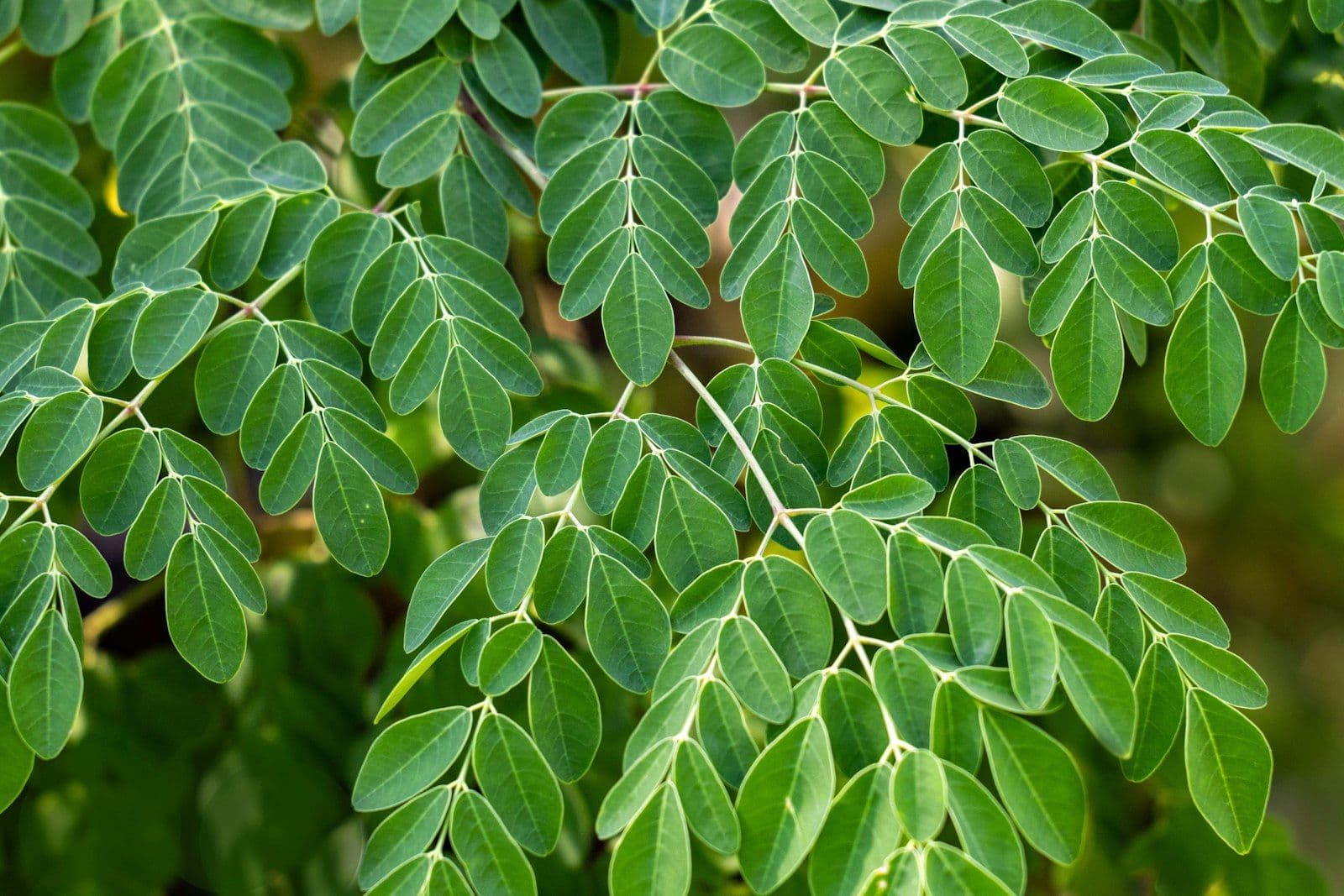
Spirulina is a blue-green algae grown in water, while moringa comes from the leaves of a tree — different biological sources that lead to meaningfully different nutritional strengths.
Where Spirulina Stands Out
Spirulina is unusually protein-dense for a plant-based source and contains phycocyanin, a pigment-antioxidant unique to blue-green algae.
Where Moringa Stands Out
Moringa tends to have a broader vitamin and mineral spread, including notably high vitamin A and calcium content relative to typical leafy greens.
Taste and Format
Both have strong, distinctive flavors in raw powder form. Spirulina's taste is often described as "oceanic," while moringa is more grassy and slightly bitter — which is why many people prefer capsule or tablet formats for spirulina specifically, while moringa powder blends more easily into smoothies and cooked dishes.
Can You Take Both?
Yes — there's no conflict in taking both regularly, since their nutritional profiles complement rather than duplicate each other. Many wellness routines in India traditionally rotate between the two rather than choosing exclusively.
A Simple Way to Decide
If protein density and antioxidant content are your priority, lean toward spirulina. If a broader vitamin and mineral spread matters more to you, moringa is the stronger single choice — though including both covers more ground than either alone.
Ready to try our premium spirulina?
Experience the benefits of nature's ultimate superfood with our high-quality spirulina products.