
Flax Seeds for Hormonal Health: What the Research Says
Flax seeds contain a unique plant compound linked to hormonal balance. Here is a grounded look at what they may help with and how to actually eat them.
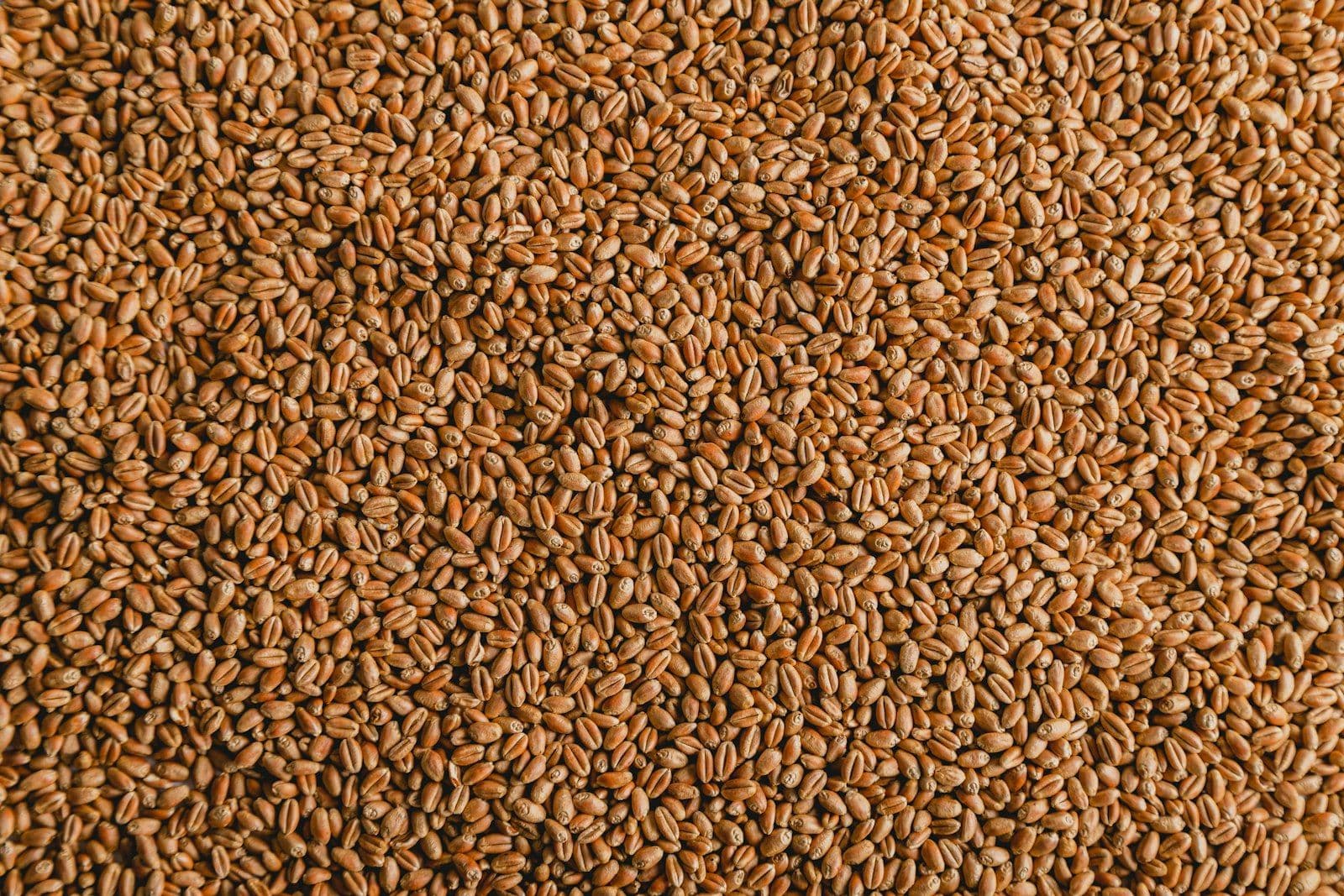
What Makes Flax Seeds Different
Flax seeds are one of the richest plant sources of lignans, a group of plant compounds that interact mildly with estrogen pathways in the body. This is part of why flax seeds are frequently discussed in the context of hormonal balance, alongside their well-known omega-3 and fiber content.
Ground vs Whole Flax Seeds
Whole flax seeds tend to pass through digestion largely intact, so most nutrition guidance recommends grinding organic flax seeds just before eating them — a simple grinder or mortar and pestle works fine, and grinding a small batch every few days keeps them fresh.
Easy Ways to Add Flax to Your Diet
- Stirred into oats, dalia, or smoothies
- Mixed into roti or paratha dough
- Sprinkled over salads or curd
A Realistic Expectation
Flax seeds are a supportive dietary habit, not a substitute for medical care around hormonal conditions — if you're managing a diagnosed hormonal concern, they're worth discussing with a doctor as a complementary habit, not a stand-alone treatment.
A tablespoon or two a day, added consistently, is a reasonable starting point for most people.
Ready to try our premium spirulina?
Experience the benefits of nature's ultimate superfood with our high-quality spirulina products.