
Spirulina 101: The Blue-Green Algae Superfood Explained
Spirulina looks unusual and has an even more unusual origin story. Here is a plain-English explanation of what it is, what it offers, and how to actually take it.
What Exactly Is Spirulina?
Spirulina is a blue-green algae that grows in warm, alkaline water. Despite the name, it isn't a plant — it's a type of cyanobacteria that's been part of traditional diets for centuries, prized for how much nutrition it packs into a very small amount.
Why It's Called a Superfood
Gram for gram, spirulina is one of the most protein-dense foods available, and it also naturally contains B vitamins, iron, and phycocyanin — the blue-green pigment responsible for its distinctive color and much of its antioxidant activity.
Capsules, Tablets, or Powder?
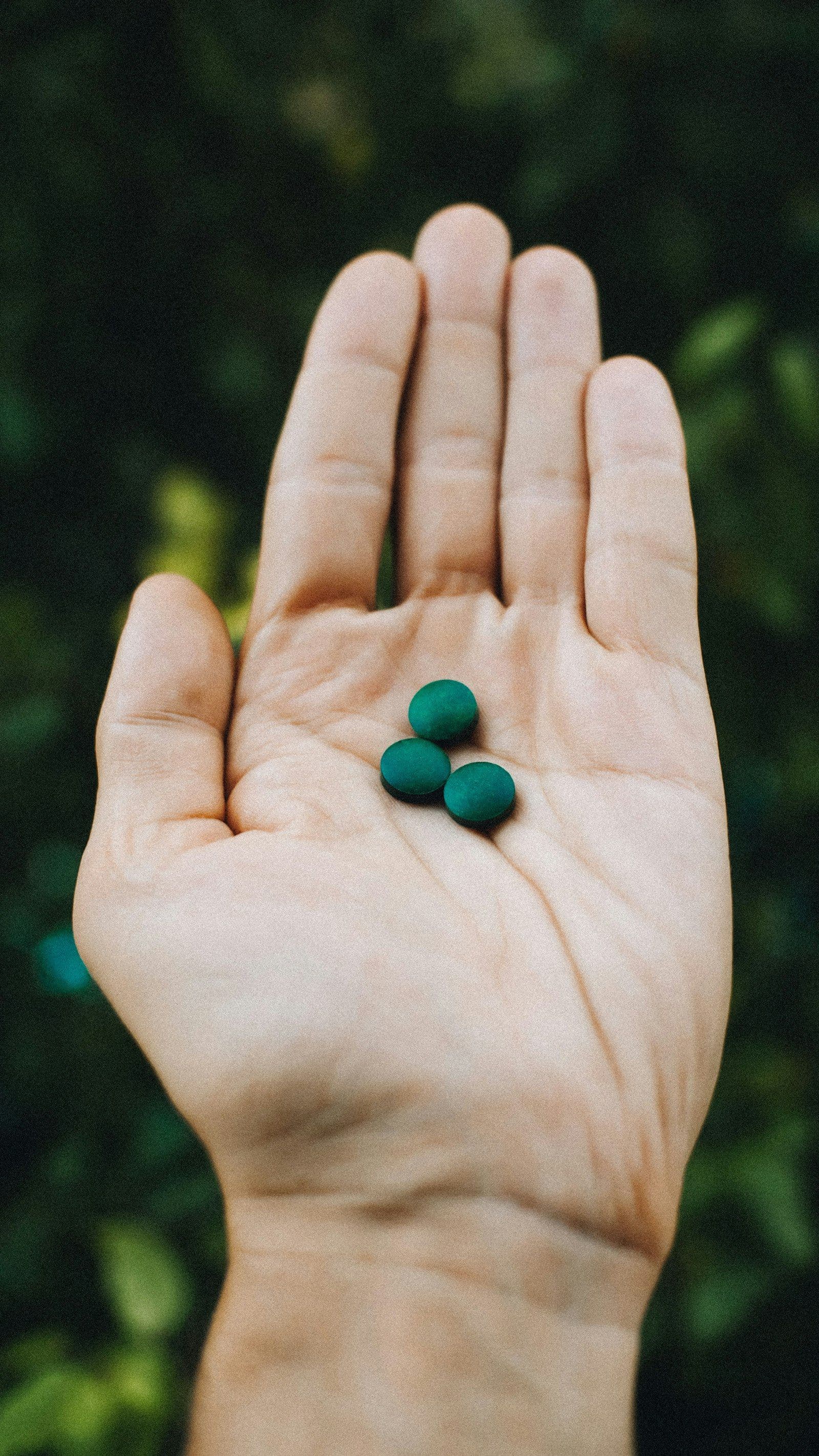
Spirulina's biggest practical hurdle is its strong, "oceanic" taste in raw powder form. That's exactly why many people prefer spirulina capsules or spirulina tablets — same nutritional profile, without needing to mask the flavor in a smoothie every day.
A Simple Way to Start
- Begin with a lower dose for the first week to let your digestion adjust
- Take it with food rather than on an empty stomach
- Be consistent — daily nutrition habits compound over weeks, not days
If you're comparing spirulina to other superfoods before deciding what fits your routine, it's worth reading how it stacks up directly against moringa, since the two are often mentioned together but aren't identical in their nutrient profile.
Ready to try our premium spirulina?
Experience the benefits of nature's ultimate superfood with our high-quality spirulina products.